
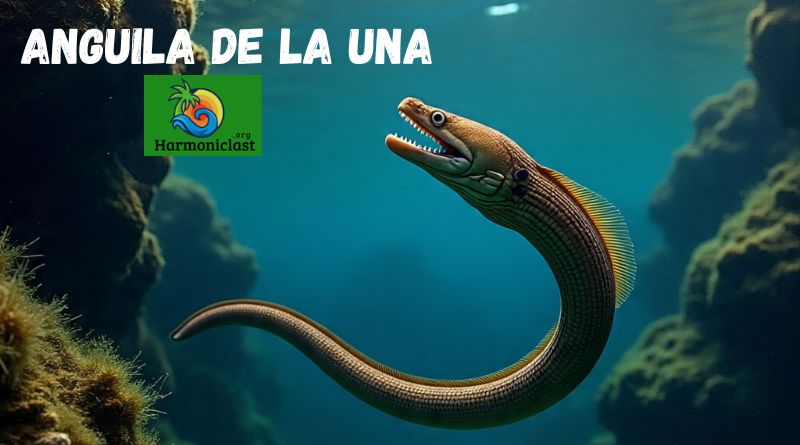
Introduction to Anguila de la una
The phrase anguila de la una has intrigued many due to its unique composition and cultural associations. While the direct translation suggests “eel of the fingernail” in Spanish, the expression often carries symbolic or metaphorical significance. In different regions, it is used in reference to myths, traditions, or even as a metaphorical phrase in storytelling. To understand anguila de la una fully, one must explore its linguistic roots, historical context, and cultural importance. This article will highlight what the term represents, how it has been interpreted, and why it continues to spark curiosity.
Historical Background of Anguila de la una
Language evolves over centuries, and expressions like anguila de la una often emerge from oral traditions. In some interpretations, the phrase has connections with folklore where animals, such as eels, are used to represent slippery or mysterious qualities. An eel, being a creature that thrives in water and is difficult to catch, symbolizes something elusive or hidden. Combined with “la una,” which can mean “the one” or refer to time, the phrase might have originally been tied to storytelling practices in rural communities. These stories helped people connect their daily lives with metaphors drawn from nature. Thus, the term may not describe a literal creature but rather embody symbolic meanings passed through generations.
Cultural Interpretations of Anguila de la una
Folklore and Mythology
In folklore, anguila de la una is sometimes linked to mystical beings or legends involving water. Many cultures view eels as mysterious due to their nocturnal nature and ability to appear suddenly in unexpected places. This led to stories where the eel represented hidden truths or secrets. When associated with “la una,” often referring to midnight, the phrase could symbolize something that reveals itself at night, cloaked in mystery and secrecy.
Everyday Symbolism
Beyond myths, anguila de la una has been used metaphorically in conversations to describe someone or something hard to grasp. Just like an eel slips away when caught, a person described with this term might be elusive or unpredictable. The phrase, therefore, functions as a poetic way of illustrating human behavior, particularly in literature or proverbs where symbolic language is valued.
Linguistic and Regional Significance
The Role of Language Evolution
Spanish is rich in idiomatic expressions, and anguila de la una stands out as one of those peculiar terms that invite interpretation. Over time, expressions like this adapt to different contexts, and people assign new meanings. In one region, it may carry a humorous tone, while in another, it might be linked with mystery or superstition. Such variations highlight the flexibility of language and how communities give life to unique terms.
Regional Usage and Modern Context
Although not widely used across all Spanish-speaking countries, the expression is remembered in certain communities as part of local heritage. Today, with the rise of online discussions and cultural curiosity, more people encounter terms like anguila de la una and seek to understand their origins. This has helped preserve interest in idiomatic and folkloric language, ensuring that even less common expressions remain alive.
Relevance of Anguila de la una Today
In modern times, people often revisit traditional expressions to explore cultural identity. Anguila de la una serves as a reminder of how language captures imagination and creativity. Whether used in literature, storytelling, or casual conversation, it allows speakers to convey layers of meaning beyond direct translation. Its presence in cultural memory demonstrates how words and phrases carry symbolic power, connecting individuals to shared traditions. Furthermore, the mystery surrounding its exact origin keeps it relevant for researchers, writers, and cultural enthusiasts alike.
Conclusion
The phrase anguila de la una is more than just a curious combination of words. It embodies history, symbolism, and cultural identity, reflecting how language carries meaning far beyond literal interpretation. From folklore to modern discussions, it continues to intrigue those who encounter it. By exploring its linguistic background and cultural significance, we not only preserve the richness of Spanish heritage but also appreciate how expressions like this add depth and creativity to communication. Ultimately, anguila de la una stands as a timeless example of how words can bridge imagination and tradition, keeping cultural narratives alive for future generations.
read also: hoptraveler.com